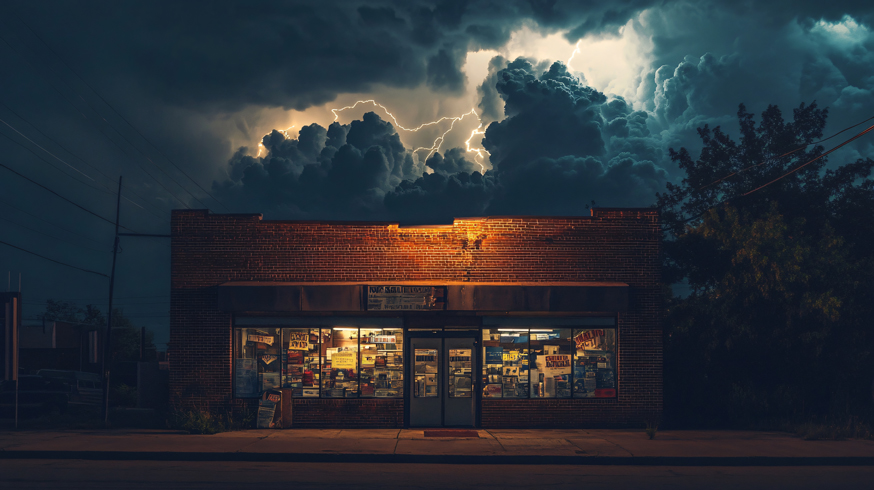
In today’s retail environment, operations depend heavily on electricity, connectivity and digital payments. But what happens when those systems fail? Power outages – whether caused by storms, grid failures or extreme weather – are becoming more frequent and severe. These disruptions expose a key truth: cash isn’t old-fashioned, it’s resilient. For store operations teams, being ready for outages is critical – not just for customer service, but for maintaining revenue, trust and brand reputation.
Why Retail Needs a Resilience Plan Around Power – and Payments
Digital payments, card readers, mobile wallets, POS systems – they all require electricity, network connections, sometimes even internet and backup power. When power or connectivity goes out, these systems often fall first. Retailers who don’t have a backup plan can face:
- Lost sales / no way to process transactions
- Customer frustration and abandonment
- Reputational damage (if “closed” signs go up or lines get chaotic)
- Operational chaos (no printing of receipts, no records, etc.)
Cash, however, is often the last payment option standing. It doesn’t depend on the internet or external network infrastructure. When paired with the right tools (battery-powered money counters, printers) and processes (audit trail, secure counting, reconciliation), cash can provide continuity.
Real-World Scenarios Where Cash Came Through
Here are a few notable examples where power disruption severely impacted retail, and where reliance on digital-only payments proved risky:
Hurricane Beryl, Texas (July 2024)
- Hurricane Beryl caused widespread damage around the Gulf, particularly in Texas. Over 2.7 million households and businesses suffered power outages, including many retailers.
- With digital payment systems down, stores that could accept cash were able to continue limited operations, helping sustain some customer flow and community trust. Anecdotal accounts from retailers in affected areas showed cash being the only means to complete transactions while systems were restored.
- Burns & Wilcox report that many small businesses were still without power for days. Retailers without backup power or resilience plans likely had to stay closed (no electricity, no POS). If cash along with battery-powered devices were available, they could’ve at least been able to continue operations in some form, preserved customer relationships, and mitigated revenue loss.
Southern California Wildfires & Public Safety Power Shutoffs (2024-2025)
- During the California wildfires early 2025, several power utilities (e.g., Southern California Edison) implemented planned or reactive shut-offs in high-fire-risk zones. Tens of thousands of customers were without electricity.
- Retailers in these zones couldn’t rely on POS systems, card readers, or networked devices. Those stores that had cash on hand, battery-powered systems, or manual fallback procedures were better positioned to keep trading or at least serve customers in limited capacity.
The 2021 Texas Grid Failure (“Winter Storm Uri”)
- In mid-February 2021, Winter Storm Uri caused a massive electricity generation failure across Texas. Over 4.5 million homes and businesses lost power, some for several days.
- Many retail stores closed because lights, heating, card readers, and POS systems couldn’t operate. (comptroller.texas.gov)
- Cash-capable outlets had a crucial advantage: simply guiding customers, using manual procedures, and staying open as long as physically possible with basic lighting or heating powered by backup options.

What Retail Store Operations Should Be Doing Now
To stay resilient, stores should develop a proactive strategy – not just reactive. Here’s what operations leaders should consider:
1. Audit Current Vulnerabilities
- Which stores/regions are more exposed (storm zones, winter freeze areas, aging grid areas)?
- Assess how long stores have backup power (if at all).
2. Define a Cash-Fallback Process
- Train employees in manual cash handling (counting, batching, reconciliation) and give them tools for serving customers ‘offline’.
- Establish audit / tracking protocols for cash during outages.
- Make sure signage and customer communication is ready (e.g. “Cash only until power restored”).
3. Invest in Backup Power & Portable Equipment
- UPS / batteries for POS, printers, routers where possible.
- Portable, battery-powered printers for receipts or audit trail.
- Reliable cash counters that can work off battery for store close-outs or counting even when power is down.
4. Have a Communication Plan
- Both internal (staff) and external (customers). Social media, if possible, and signs in-store.
- Let customers know whether you can accept card or are cash-only temporarily.
5 .Test & Practice
- Run drills of outage scenarios – staff should know process when power goes out.
- Ensure systems are in place beforehand: folders for pricing, printed signs that look professional, and any tools that could require a print copy.
How Tellermate Helps During Power Disruption
At Tellermate, we understand these challenges. That’s why we design solutions with real-life resilience in mind:
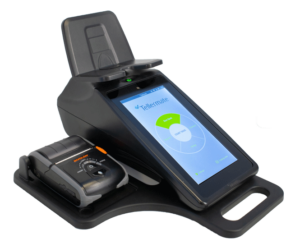
- Our cash counters work with a battery: so store teams can continue to count, tally, and reconcile cash even when the outlet is offline or lights are out, thanks to their backlit displays and portable use on rechargeable ion-lithium batteries of Tellermate cash counting devices.
- Our Portable receipt printers (battery-powered): generate receipts for audit trails during outages. Our Able (T-ix) and Bluetooth (Touch) printers help ensure accountability and reduce loss risk even without mains power.
These tools, combined with the processes above, help retailers stay open, remain trusted, and protect revenue under challenging conditions.
Final Thoughts: Building Retail Resilience
Power outages are unpredictable—but the risk is real. For retail operations, having a robust plan around cash isn’t optional. It’s essential. Digital payments, while convenient and on the rise, are only as strong as the infrastructure supporting them. When that infrastructure fails, cash + resilient tools + strategy = continuity.
If you’re a retailer or store operations manager, now is a good time to revisit your continuity planning. Map your risks. Ensure cash-fallback capability. Equip stores with proper battery-powered tools. Train your teams. Because when the lights go out, resilience is what keeps retail moving.


